•
•
•
•
•
•
•

From LAN-party tournaments to a global industry with sponsorships, media rights, and professional leagues
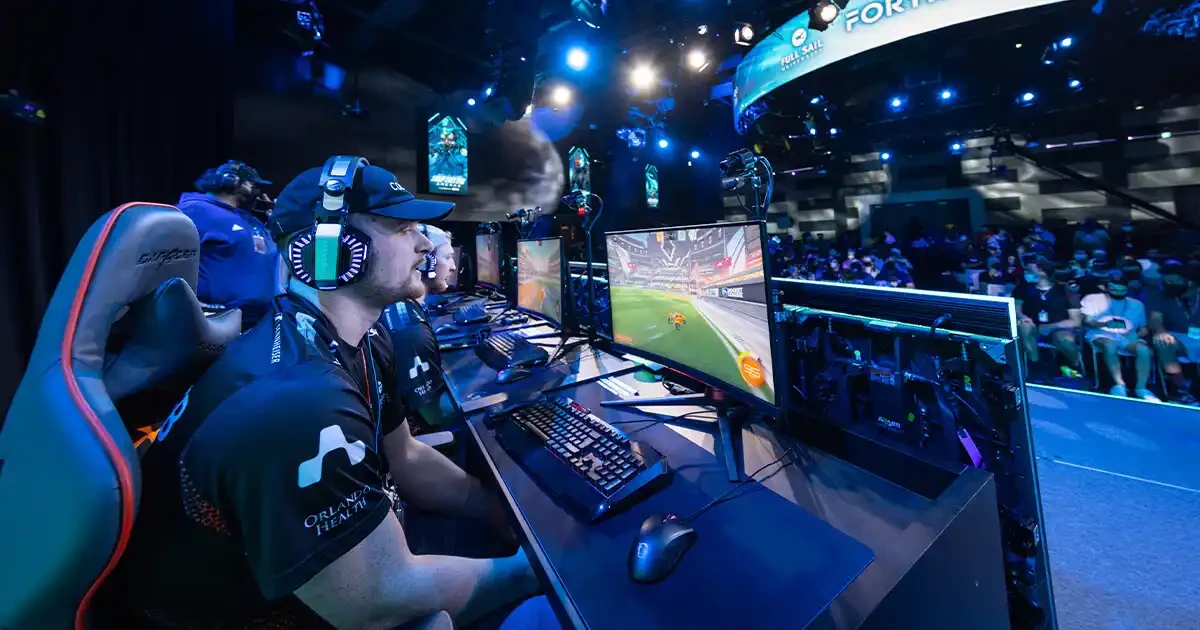
Esports began largely as informal, grassroots competition, with early tournaments organized around specific games and held at local gaming events or online. Over time, this grew into a far more structured industry, with dedicated professional leagues, franchised team ownership models similar to traditional sports, and significant investment from both gaming companies and outside investors who recognized the growing audience and commercial potential of organized competitive gaming.
Modern esports organizations generate revenue through several channels that closely mirror traditional professional sports:
Esports leagues generally follow one of two structural models. Franchised leagues, similar to major traditional sports leagues, involve teams purchasing a permanent slot in the league, providing more financial stability and long-term planning ability for team owners. Open, tournament-based circuits instead allow teams to qualify and compete based on performance, offering more competitive fluidity but less financial predictability for participating organizations.
Despite significant growth, the industry continues to face challenges around long-term financial sustainability, since many esports organizations have historically operated at a loss while betting on future audience and revenue growth. Player career longevity is also shorter on average than in many traditional sports, given the reflex-intensive nature of many competitive games, raising questions about athlete career transition support. Additionally, the industry remains closely tied to the popularity of specific games, which can rise and fall in relevance more quickly than traditional sports do.
| Revenue Source | Description |
|---|---|
| Sponsorships | Brand partnerships with teams, players, and tournaments |
| Media rights | Broadcast and streaming deals for tournaments and leagues |
| Live events | Ticket sales from arena-based tournament finals |
| Merchandise | Team and player branded products and in-game items |
Expect continued consolidation and professionalization within the esports industry, alongside ongoing efforts to establish more sustainable financial models beyond investor funding dependent on future growth. Traditional sports organizations and media companies are likely to continue investing in esports as they seek to reach younger, digitally native audiences that increasingly overlap with, but are not identical to, traditional sports viewership.
Is esports considered a real sport?
Definitions vary, and this remains a subject of ongoing debate, but esports shares many structural and business characteristics with traditional professional sports, including leagues, sponsorships, and professional athletes competing at an elite level.
How do esports players make money?
Professional players typically earn income through team salaries, tournament prize winnings, sponsorship deals, and, in many cases, revenue from personal content streaming alongside their competitive careers.
Why do some esports organizations operate at a financial loss?
Many organizations have prioritized audience growth and market position over immediate profitability, betting on long-term revenue growth as the industry matures, similar to patterns seen in some other emerging media industries.
Which games are most prominent in esports?
Popularity varies over time and by region, with different competitive games rising and falling in prominence more quickly than typically seen in traditional sports.
Esports has evolved from informal grassroots competition into a structured global industry with many of the same business components as traditional professional sports. Its long-term sustainability will likely depend on how successfully organizations navigate financial pressures and adapt to the naturally shifting popularity of individual competitive games.