•
•
•
•
•
•
•

From player tracking to in-game decision models, data analysis has become central to how modern teams compete
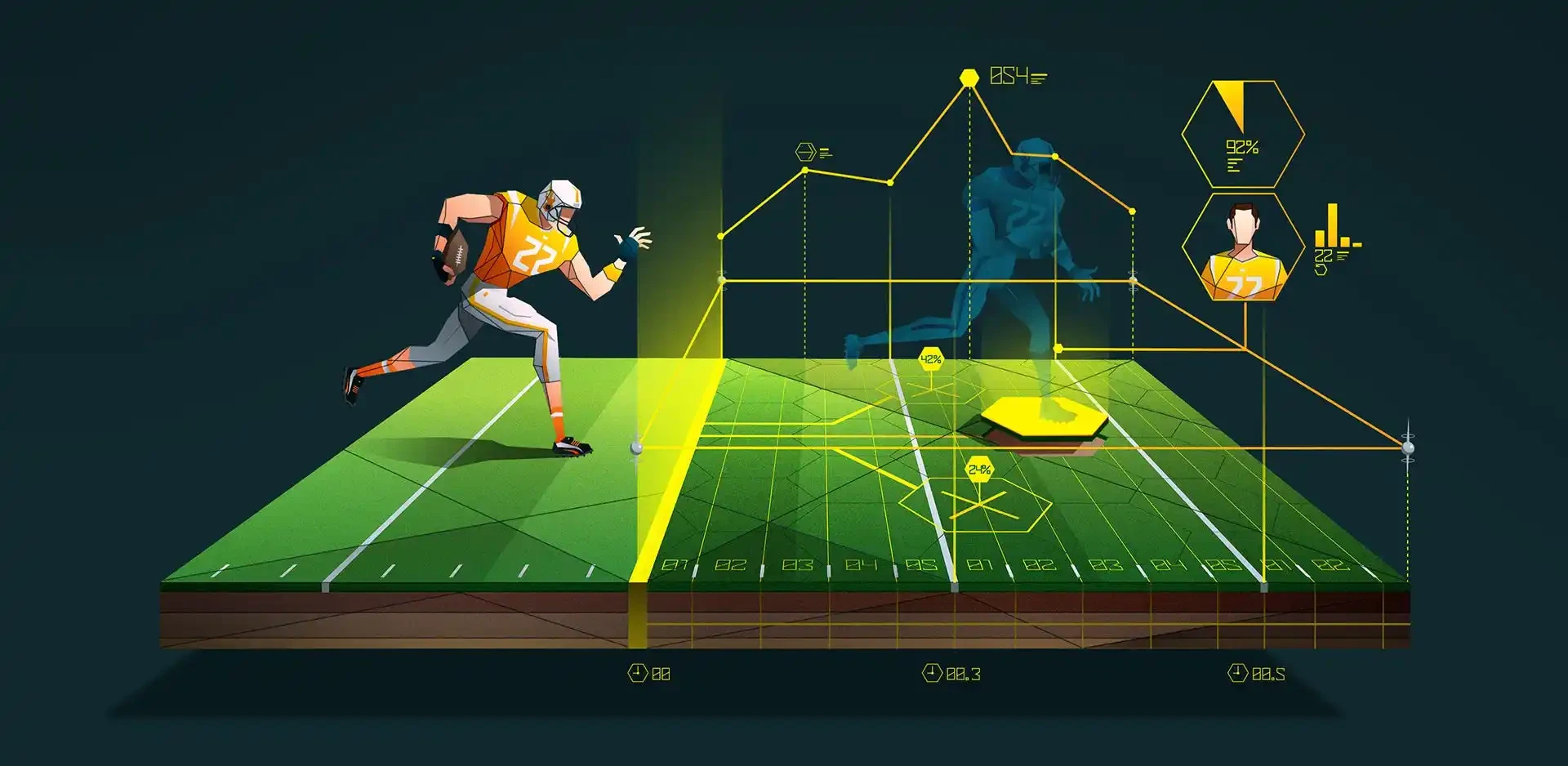
Sports analytics has moved well beyond simple box-score statistics like points scored or runs made. Modern analytics programs use player-tracking technology, including cameras and wearable sensors, to capture detailed positional and physical data throughout a match, from a player's running speed and distance covered to more sport-specific metrics like shot quality or bowling variation. This data is then processed using statistical models to generate insights that inform strategic decisions.
Coaches and team analysts now routinely use data models to inform decisions that were once based primarily on intuition and experience. This includes determining optimal lineup combinations, deciding when to make substitutions, evaluating the statistical likelihood of success for different tactical choices in specific game situations, and identifying opposing team tendencies to exploit. In some sports, real-time data feeds are available to coaching staff during matches, allowing for in-game strategic adjustments based on live statistical models.
Analytics has also reshaped how teams evaluate and recruit players, supplementing traditional scouting with statistical models that can identify undervalued skills or predict future performance based on historical data patterns. Additionally, tracking data on player workload, movement patterns, and physical exertion has become an important tool in injury prevention, helping medical and coaching staff identify when a player's workload may be increasing injury risk before it results in an actual injury.
| Application | Example Use |
|---|---|
| In-game strategy | Substitution timing, tactical adjustments based on live data |
| Player recruitment | Identifying undervalued statistical profiles |
| Injury prevention | Monitoring workload and physical exertion trends |
| Fan engagement | Advanced statistics displayed during broadcasts |
Expect continued investment in more granular tracking technology and increasingly sophisticated predictive models, as teams compete not just on the field but in how effectively they can extract useful insights from available data. Some governing bodies and leagues have also begun standardizing data collection and sharing practices, which could make cross-team and historical comparisons more consistent over time.
Has analytics replaced traditional scouting and coaching judgment?
Most teams treat analytics as a complement to, rather than a replacement for, traditional scouting and coaching experience, combining statistical insights with expert judgment rather than relying on either exclusively.
Which sports have adopted analytics most heavily?
Data-driven decision-making has become prominent across a wide range of sports, including cricket, football, basketball, and baseball, though the specific metrics and tools used vary by sport.
Do players benefit directly from sports analytics?
Yes, particularly through injury prevention applications, where workload monitoring can help identify when a player may be at elevated risk, supporting decisions around rest and training load management.
Is sports analytics only useful for professional teams?
While professional teams have the most resources to invest in advanced tracking technology, simplified analytics tools have also become increasingly accessible to college and amateur programs.
Sports analytics has transformed from a specialized statistical niche into a mainstream part of how modern teams prepare, compete, and manage player health. Its continued growth reflects a broader trend across sports toward combining data-driven insight with traditional coaching expertise.