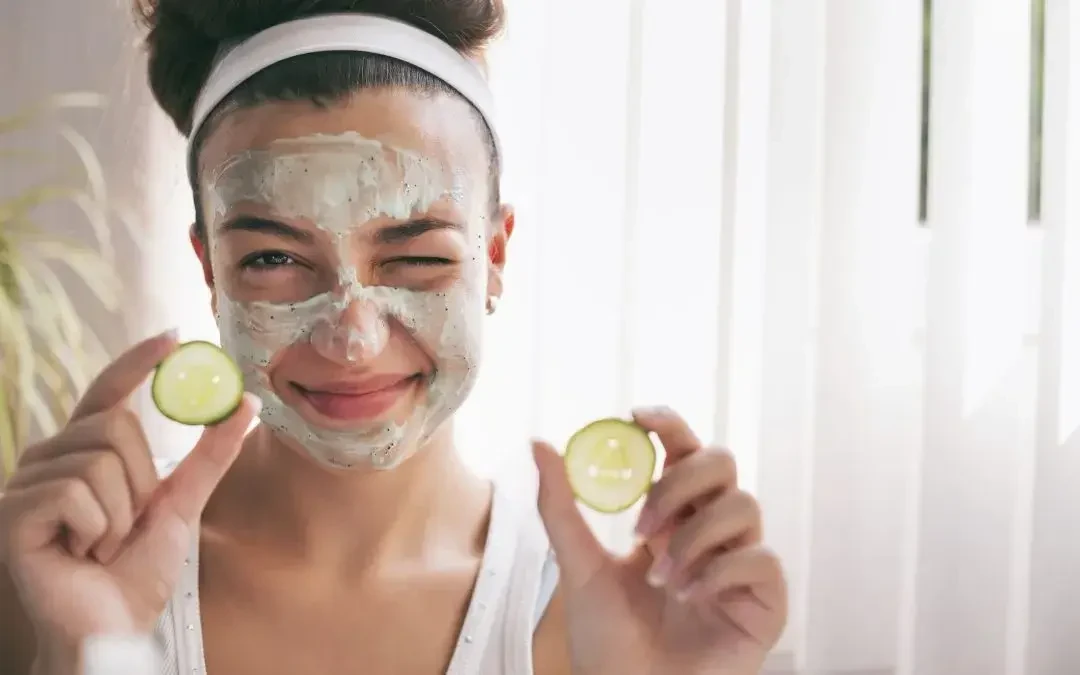
Teen skin needs a simple routine, not a 10-step regimen. This guide shares dermatologist-backed skincare tips for teens, including an easy morning and evening routine, fixes for oily, dry and acne-prone skin, and when to see a dermatologist.
Quick Facts
- Teen acne: about 85% of teenagers are affected by acne, according to the American Academy of Dermatology
- Core routine: gentle cleanser, light moisturiser and sunscreen
- Washing: twice a day and after sweating; more often can irritate skin
- Sunscreen: broad-spectrum SPF 30 or higher every day
- Look for: oil-free, non-comedogenic products
- Common over-the-counter acne ingredients: salicylic acid, benzoyl peroxide and adapalene 0.1% gel
- See a dermatologist if: there is no real improvement after about two months of consistent use
Introduction
Teen skin changes fast. Puberty switches on the oil glands, so breakouts, shine and blackheads often appear. The good news is that you don't need a 10-step routine or expensive products. Dermatologists say consistency beats complexity. This guide shares simple skincare tips for teens, an easy morning and night routine, and the mistakes to avoid.
Why Teen Skin Breaks Out
During puberty, hormones stimulate the skin's oil glands, which can lead to oilier skin and more breakouts. Acne is extremely common: the American Academy of Dermatology says roughly 85% of teenagers are affected at some point. Genetics play a part too, so breakouts can't always be prevented entirely, but simple habits make a real difference.
The Simple Teen Skincare Routine
Morning Routine
- Cleanse. Use a gentle, oil-free cleanser and lukewarm water. If you get pimples, a cleanser with salicylic acid or benzoyl peroxide can help.
- Moisturise. Choose a lightweight, oil-free moisturiser labelled non-comedogenic, meaning it won't clog pores. Even oily skin needs moisture.
- Protect. Apply broad-spectrum sunscreen with SPF 30 or higher every day, even when it's cloudy. A moisturiser that contains sunscreen saves time.
Evening Routine
- Cleanse. Wash away sunscreen, sweat, oil and any makeup.
- Treat (optional). Use an over-the-counter acne product only on breakout-prone areas and introduce it slowly. Ask a parent, pharmacist or dermatologist which one suits you.
- Moisturise. Finish with the same light moisturiser.
Quick Fixes by Skin Concern
| Skin Concern | Simple Fix |
|---|
| Oily, shiny skin | Oil-free gel moisturiser, wash twice daily, avoid heavy creams |
| Pimples | Salicylic acid or benzoyl peroxide cleanser; never pick or pop |
| Dry, flaky skin | Gentle cleanser, fragrance-free moisturiser, lukewarm water |
| Sensitive skin | Fewer products, fragrance-free options, patch test first |
| Blackheads | Gentle salicylic acid and no harsh scrubbing |
Healthy Habits That Help
- Wash twice a day and after sweating. Washing more often can irritate skin and make acne worse.
- Skip the scrub. Harsh scrubbing can dry and inflame skin, which may trigger even more oil.
- Keep hands off. Picking and popping can cause scars and spread bacteria.
- Keep things clean. Change pillowcases and towels regularly and wipe your phone screen.
- Remove makeup before workouts and before bed, and choose non-comedogenic cosmetics.
- Eat well and sleep. A balanced diet with plenty of vegetables, plus enough sleep, supports healthy skin.
Mistakes to Avoid
- Copying social media routines. Dermatologists warn that not every trending product suits every teen's skin type.
- Using too many products. Consistency matters more than a long routine.
- Mixing strong ingredients. Retinoids and salicylic acid can help some teens, but check with a board-certified dermatologist first.
- Skipping sunscreen. UV damage builds up over time.
- Expecting overnight results. Give a new routine a few weeks before judging it.
When to See a Dermatologist
If over-the-counter products haven't made a meaningful difference after about two months of consistent use, it is time to book an appointment. Also see a professional if acne is painful, leaves scars, or affects your confidence, or if your skin reacts badly to products. Starting treatment earlier can lower the risk of lasting marks.
Frequently Asked Questions
How often should a teen wash their face?
Twice a day with a gentle cleanser, and after sweating.
Do teens need toner or serums?
No. A cleanser, moisturiser and sunscreen cover the basics.
Is sunscreen necessary for acne-prone skin?
Yes. Choose an oil-free, non-comedogenic formula.
Final Thoughts
Healthy teen skin comes from a short routine done consistently. Keep it simple, protect your skin from the sun and ask for help when you need it. This article is general information, not medical advice.