•
•
•
•
•
•
•

A grounded look at what quantum computers can actually do today versus what remains years away
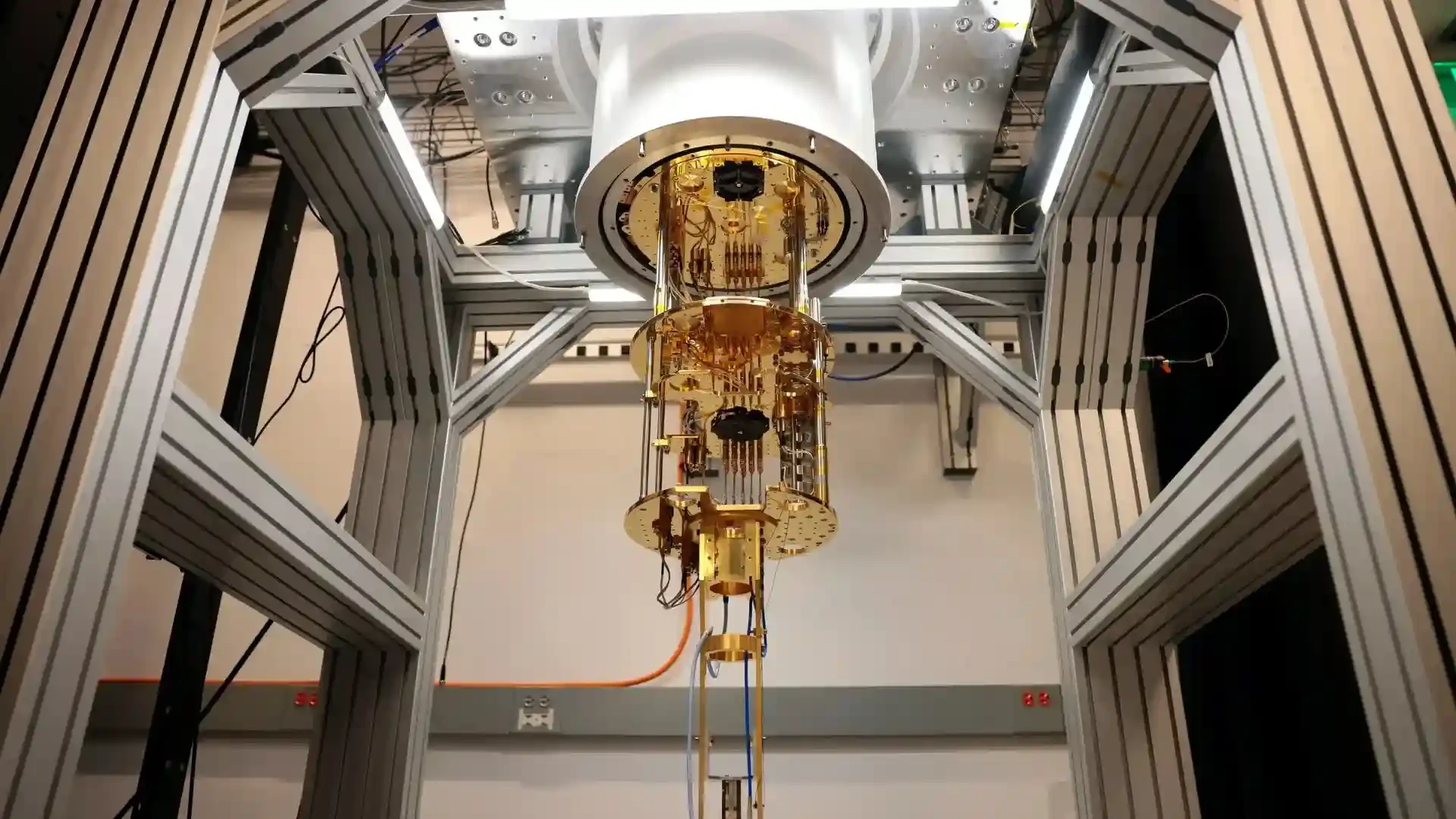
Classical computers process information using bits that represent either a 0 or a 1. Quantum computers use qubits, which can represent a combination of both states simultaneously through a property called superposition, and can also be linked together through entanglement in ways that allow certain calculations to be structured very differently from classical computing approaches. For specific types of mathematical problems, this fundamentally different structure could allow a sufficiently powerful and stable quantum computer to solve problems that would take a classical computer an impractically long time.
Current quantum hardware faces a significant challenge: qubits are extremely sensitive to environmental interference, a problem generally referred to as decoherence, which introduces errors into calculations. Building quantum computers with enough stable, error-corrected qubits to reliably outperform classical computers on genuinely useful, real-world problems remains one of the field's central unsolved engineering challenges. Today's quantum computers are generally described as being in an early, noisy stage, capable of impressive demonstrations on narrow, specialized problems but not yet able to reliably outperform classical computers on most practical business or scientific tasks.
Despite these limitations, researchers have made genuine progress in specific niches where quantum approaches show early promise, including certain types of chemical simulation relevant to materials science and drug discovery, optimization problems in logistics and finance under specific conditions, and cryptography research, both in developing quantum-resistant encryption methods and studying the theoretical risks quantum computers could eventually pose to current encryption standards.
Much of the public discussion around quantum computing conflates long-term theoretical potential with near-term practical capability. It is accurate to say quantum computing could eventually transform certain fields if current engineering challenges are solved; it is not accurate to say quantum computers currently outperform classical computers on most practical problems businesses face today. Distinguishing between demonstrated results on narrow research problems and speculative future applications is essential for evaluating claims in this space.
| Claim Type | Current Status |
|---|---|
| Narrow scientific demonstrations | Achieved on specific specialized problems |
| Reliable advantage on general business problems | Not yet achieved |
| Quantum-resistant cryptography research | Active and advancing |
| Large-scale, error-corrected quantum computers | Still a significant engineering challenge |
Expect continued incremental progress on qubit stability and error correction, which most researchers consider the central bottleneck standing between current quantum hardware and broader practical usefulness. Cryptography-related quantum research is likely to remain a significant area of investment, given the long lead time needed to transition sensitive systems to quantum-resistant encryption standards before large-scale quantum computers potentially become capable of breaking current methods.
Can quantum computers break current encryption today?
Not with currently available hardware. Concerns about future quantum computers breaking certain encryption methods are why quantum-resistant cryptography research is being pursued proactively, well ahead of when such capability might become practically achievable.
Will quantum computers replace classical computers?
Most experts do not expect this. Quantum computers are generally viewed as specialized tools well suited to specific problem types, working alongside classical computers rather than replacing them for general-purpose computing.
What is the biggest obstacle to more powerful quantum computers?
Qubit error rates and instability, often described as the challenge of achieving reliable, large-scale error correction, remain the central engineering hurdle the field is working to solve.
Are any real-world businesses using quantum computing today?
Some organizations are experimenting with quantum computing for specific research and optimization problems, often in partnership with quantum computing companies, but widespread practical business deployment remains limited given current hardware constraints.
Quantum computing holds genuine long-term promise for specific categories of problems, but current hardware remains in an early, limited stage. A grounded understanding of the technology requires separating narrow, real research progress from speculative claims about near-term transformation across industries.