•
•
•
•
•
•
•

Photogrammetry, laser scanning, and augmented reality are creating permanent digital records of artifacts and sites vulnerable to damage, decay, or loss
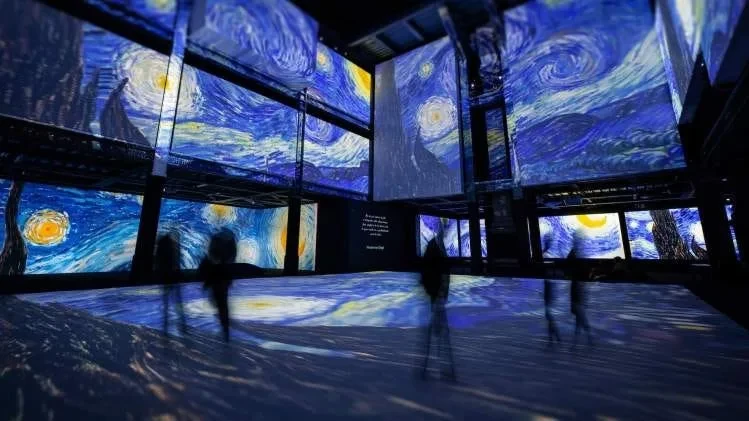
A fragile manuscript, a cracked sculpture, or a monument exposed to weather and conflict all share the same vulnerability: they can be lost, and once lost, they are gone. Museum digitization — using 3D scanning, photogrammetry, and augmented reality to capture detailed digital records of physical heritage — has become one of the most significant conservation tools available to museums, giving institutions a way to preserve an object's exact form even if the object itself is later damaged or destroyed.
Two main techniques dominate museum digitization work:
Both methods can capture geometry and surface detail far more precisely than a human eye can assess, recording micro-fractures, tool marks, and surface degradation that matter enormously for conservation research and future restoration decisions.
Augmented reality (AR) overlays digital information or reconstructions onto a visitor's live view of a physical object, typically through a smartphone, tablet, or dedicated headset.
3D-scanned collections and spaces increasingly support fully virtual museum access, letting people explore collections remotely at a level of detail that photographs alone can't offer.
Benefits of virtual tour technology include:
Digitization has become closely tied to one of the most contested issues in museum ethics: the return of cultural heritage objects taken during colonial-era looting, conflict, or other disputed circumstances.
Some institutions and commentators have proposed digital repatriation — creating and sharing high-quality 3D scans of contested objects with the communities or nations from which they originated, sometimes alongside continued physical possession by the current holding museum.
Arguments on different sides of this debate include:
This remains an active and unresolved debate across major museums holding contested colonial-era collections, with no single global standard yet in place for how digitization should factor into repatriation decisions.
| Project/Initiative | Focus |
|---|---|
| Smithsonian Digitization Program | Large-scale 3D and 2D digitization across Smithsonian collections, with public 3D model access |
| CyArk | Nonprofit specializing in 3D laser scanning of heritage sites worldwide, including sites damaged by conflict |
| Institute for Digital Archaeology | 3D scanning and reconstruction projects, including work on sites damaged during conflict in the Middle East |
| Factum Foundation | High-resolution scanning and facsimile production for conservation and restricted-access sites |
| Google Arts & Culture | Large-scale platform hosting high-resolution imagery and virtual tours from partner museums globally |
Museum digitization moved from a niche conservation interest to an institutional priority for several converging reasons:
What's the difference between photogrammetry and laser scanning?
Photogrammetry builds a 3D model from overlapping photographs and is generally more affordable and accessible, while laser scanning directly measures surface points with a laser or structured light and typically offers higher geometric precision, often at greater cost.
Can a 3D scan replace the physical artifact?
No. A digital scan preserves the object's geometry, surface detail, and appearance as a record and research tool, but it does not replace the historical, material, and cultural significance of the physical object itself.
Are museums required to share their 3D scan data publicly?
No single global standard exists. Practices vary widely by institution — some make 3D models freely available online, while others restrict access for conservation, legal, or cultural sensitivity reasons.
Does digital repatriation solve the ethical issues around looted artifacts?
Not on its own. Many communities and scholars view digital access as a useful supplement to, rather than a substitute for, the physical return of contested cultural heritage.
How accurate are museum 3D scans?
High-end laser scanning can capture surface detail at sub-millimeter precision, sufficient for detailed conservation research, restoration planning, and creating accurate physical replicas if needed.
Museum digitization has moved well beyond simple photography, becoming a serious conservation, access, and ethics discipline in its own right. 3D scanning and photogrammetry create durable digital records that can outlast the physical objects they capture, AR brings deeper context directly to museum visitors, and virtual tours extend access to global audiences who will never set foot in the original building. At the same time, the technology has opened a genuinely difficult ethical conversation about what digital access means for the unresolved question of returning cultural heritage to the communities it came from.