•
•
•
•
•
•
•

Comprehensive Knowledge Base & Growth Guide
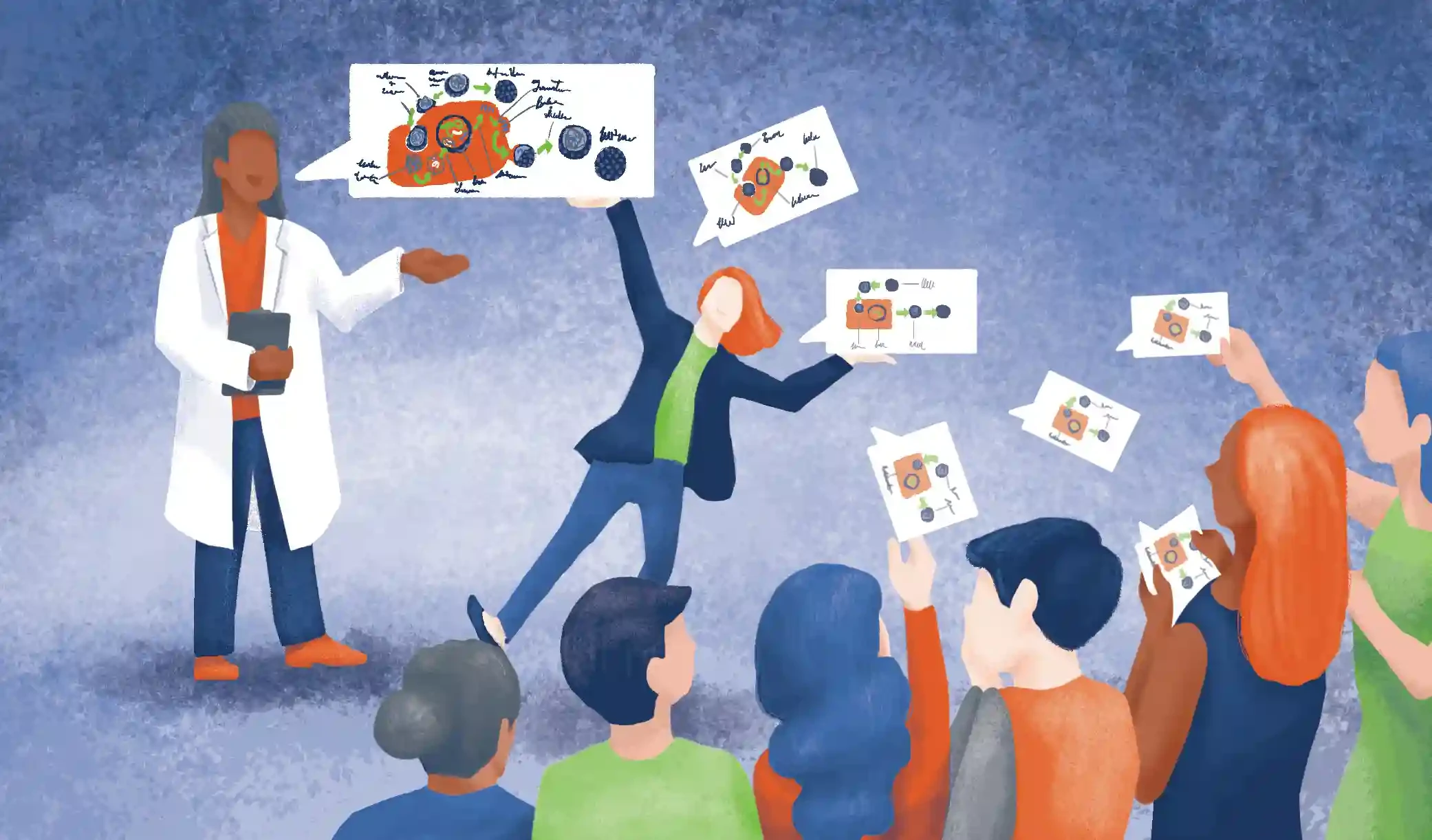
Research only creates public value when it's understood and trusted. Science communication bridges the gap between specialized research and the broader public, informing personal decisions and public policy alike.
Effective communicators avoid jargon, use relatable analogies, and are transparent about uncertainty. Framing complex findings in terms of everyday relevance helps audiences connect with the material.
Science is now shared through a mix of traditional journalism, institutional press releases, podcasts, and social media explainers. Each channel requires a different level of simplification and tone.
Misinformation spreads quickly online, and nuanced scientific findings can be oversimplified or distorted. Building public trust requires consistency, honesty about limitations, and engagement with legitimate questions rather than dismissiveness.
More researchers are being trained in public engagement as part of their professional development, recognizing that communication skills are as important as research skills for maximizing impact.
As scientific topics increasingly intersect with public policy — from climate to health — clear, honest communication is more important than ever.