•
•
•
•
•
•
•

Comprehensive Knowledge Base & Growth Guide
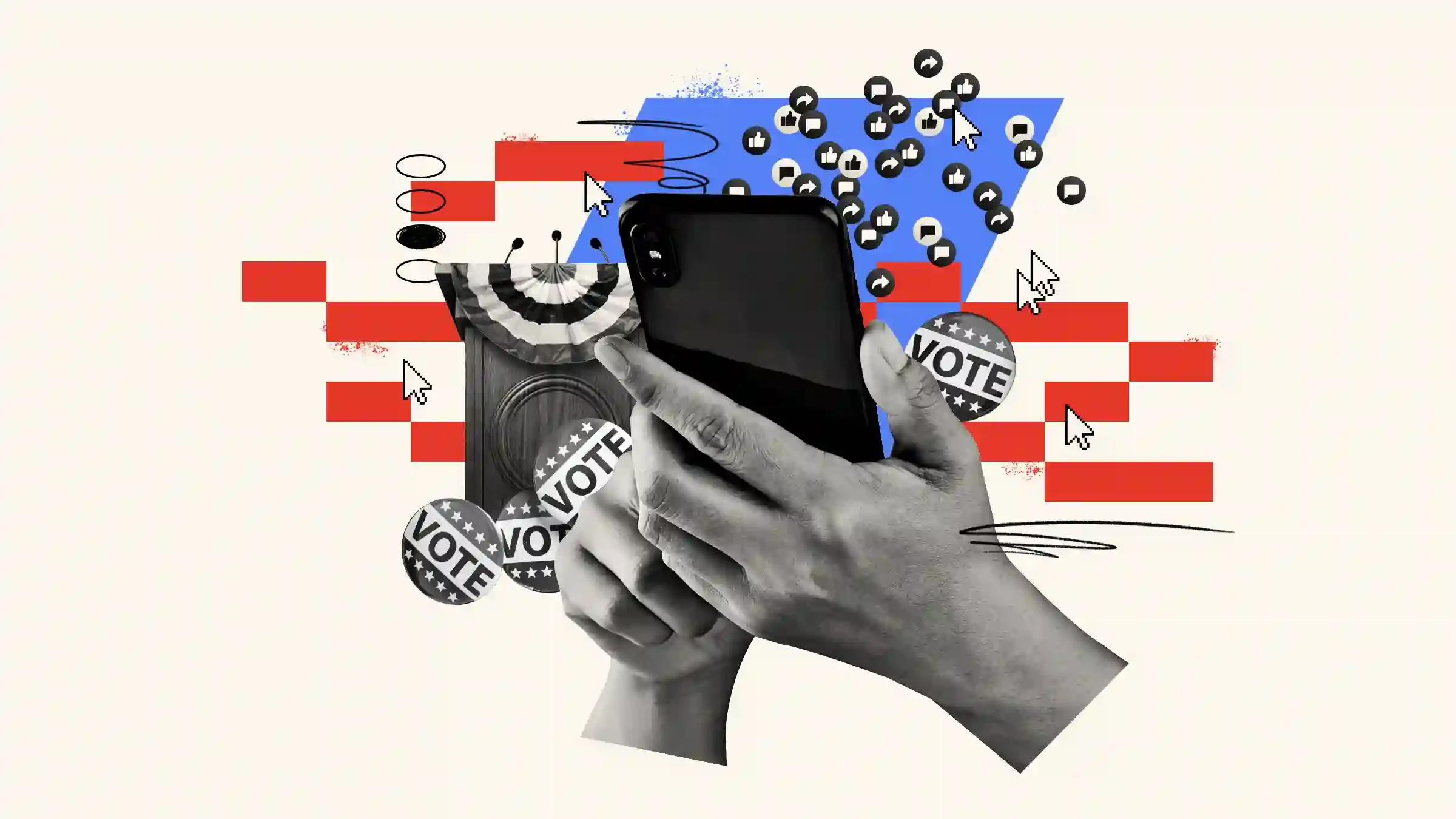
Political communication has shifted dramatically with the rise of digital platforms, changing how politicians campaign, govern, and engage with constituents.
Platforms allow politicians to communicate directly with voters, bypassing traditional media gatekeepers. This enables rapid response to news events but also raises concerns about misinformation and polarization.
Modern campaigns rely heavily on voter data analytics to target messaging, identify persuadable voters, and optimize get-out-the-vote efforts. This has made data strategy a core campaign function alongside traditional fundraising and messaging.
Beyond campaigning, many elected officials use digital tools to manage constituent communication, from newsletters to virtual town halls, making it easier to gather feedback between elections.
The same tools that enable direct engagement also expose politicians to scrutiny, viral criticism, and the spread of manipulated media. Navigating this environment requires careful communication strategy.
Digital platforms have become central to modern political life, offering new opportunities for engagement alongside new risks that officials must manage carefully.