•
•
•
•
•
•
•

Gold prices remain under pressure as crude oil approaches $100 a barrel, reviving inflation concerns and strengthening expectations of a Federal Reserve rate hike. Investors are now watching US PPI and CPI data for the next major signal.
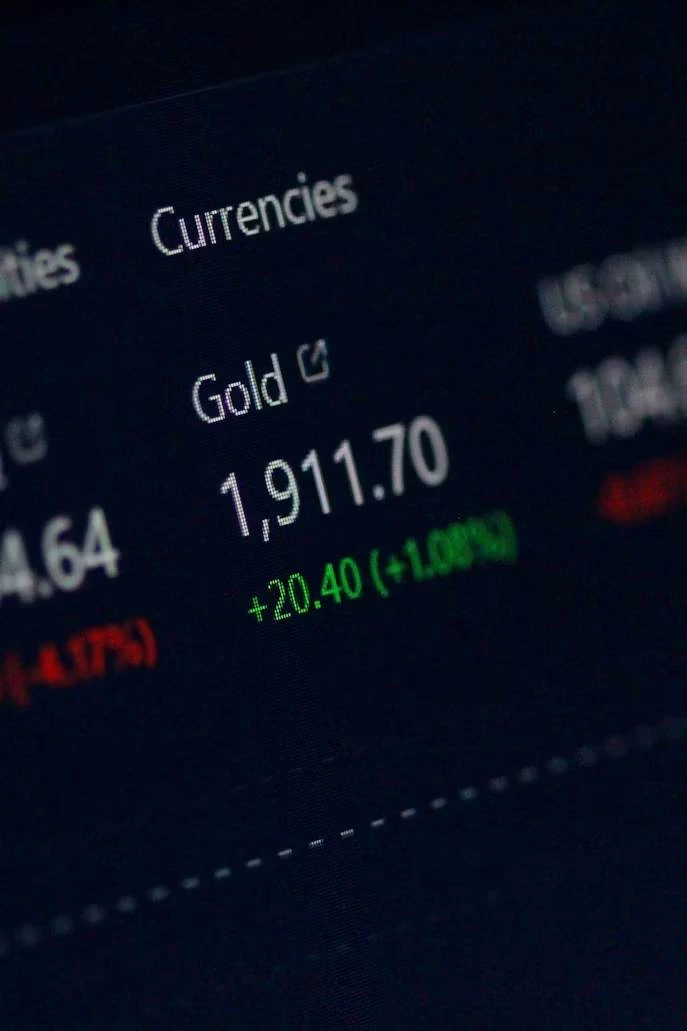
Gold prices are facing renewed pressure as rising crude oil prices fuel concerns about inflation and increase expectations that the US Federal Reserve could keep interest rates higher for longer.
The latest quoted gold rate is around $4,366.74 per ounce, down about $56.70, or 1.28%, from the previous quoted level. The decline comes as crude oil prices continue to climb, with Brent crude moving closer to the psychologically important $100-per-barrel mark.
Higher oil prices can create a difficult environment for gold. When energy prices rise, inflationary pressure can increase, potentially reducing the chances of monetary easing and encouraging investors to expect higher interest rates.
Markets are now closely watching upcoming US inflation data for further clues about the Federal Reserve's next policy move.
According to the latest rates provided, gold prices in India are:
| Gold Purity | Price Per Gram | Purity |
|---|---|---|
| 24K Gold | ₹15,431 | 99.9% |
| 22K Gold | ₹14,145 | 91.6% |
| 18K Gold | ₹11,573 | 75% |
These are indicative rates sourced from reputed jewellers and updated regularly. Actual retail prices may vary depending on the jeweller, location, GST, making charges and other applicable costs.
Internationally, gold is currently quoted at around $4,366.74 per ounce.
The corresponding indicative prices per gram are:
| Gold Purity | Price Per Gram |
|---|---|
| 24K Gold | $140.41 |
| 22K Gold | $128.71 |
| 18K Gold | $105.31 |
Despite the recent decline, gold remains significantly higher over the longer term. Based on the quoted figures, gold has gained approximately 143.68% since September 2021 and around 227.96% since September 2016.
The sharp rise in crude oil prices has become one of the biggest factors influencing the gold market.
| Crude Oil | Latest Price | Change |
|---|---|---|
| WTI Crude | $94.16/barrel | +$1.13 (+1.21%) |
| Brent Crude | $99.27/barrel | +$1.35 (+1.38%) |
Brent crude is now approaching the $100-per-barrel level, while WTI has also moved higher.
The latest rally in oil prices has been driven by growing concerns over supply disruptions following escalating tensions in the Middle East.
When crude oil becomes more expensive, markets typically become more concerned about inflation. That can influence central-bank policy expectations and put pressure on assets such as gold.
Gold is traditionally considered a hedge against inflation, but rising oil prices can have an indirect negative impact on bullion.
The relationship works through interest rates.
Higher oil prices can push inflation expectations higher. If investors believe inflation will remain elevated, they may expect the Federal Reserve to maintain or increase interest rates rather than cut them.
Higher interest rates increase the opportunity cost of holding gold because gold does not generate interest or dividends.
This can encourage investors to shift money toward interest-bearing assets such as US Treasury securities.
As a result, gold can come under pressure even when inflation itself is rising.
The current market dynamic can be simplified as:
Higher oil prices → Higher inflation concerns → Higher rate-hike expectations → Higher yields → Pressure on gold
This is one of the key reasons investors are watching crude oil prices so closely alongside gold.
Expectations surrounding the Federal Reserve have become another major factor weighing on gold.
Recent stronger-than-expected US jobs data changed the market's expectations for monetary policy. Traders are now assigning roughly a 60% probability of a Federal Reserve rate hike, compared with around 50% before the jobs report.
The shift has strengthened the US interest-rate narrative.
If the Federal Reserve signals that higher rates may be necessary to control inflation, gold could face additional pressure in the short term.
Higher interest rates generally make non-yielding assets such as gold less attractive compared with bonds and other interest-bearing investments.
US employment data has played an important role in the recent movement in gold.
The stronger jobs report reduced expectations of an immediate shift toward easier monetary policy. The US unemployment rate remained around 4.1% in August, reinforcing expectations that the Federal Reserve may have room to keep monetary policy restrictive.
Gold fell sharply following the jobs data, at one point losing as much as 2.4%.
The market's focus has therefore shifted from concerns about economic weakness toward the possibility that inflation could remain sticky enough to keep interest rates elevated.
A softer US dollar has provided some support to gold and has prevented the metal from falling even further.
Gold is primarily priced in US dollars. When the dollar weakens, gold can become relatively cheaper for buyers holding other currencies.
That can increase international demand and provide a cushion for prices.
However, the positive impact of a weaker dollar is currently being offset by stronger interest-rate expectations and rising oil prices.
This leaves gold trading in a highly sensitive environment where even small changes in economic data can trigger significant price movements.
The next major focus for financial markets is US inflation data.
The Producer Price Index (PPI) is scheduled to be released on Thursday, followed by the Consumer Price Index (CPI) on Friday.
These reports could have a significant impact on expectations for the Federal Reserve's next policy decision.
A hotter-than-expected inflation reading could:
A softer inflation reading could have the opposite effect:
Because of this, gold is likely to remain volatile until investors receive clearer signals from the inflation data.
Despite the recent decline, gold's longer-term performance remains impressive.
The metal has delivered substantial gains over the past several years, supported by several structural factors, including:
The recent decline should therefore be viewed in the context of short-term market positioning rather than necessarily indicating a reversal of gold's longer-term trend.
Investors should keep an eye on several key indicators over the coming sessions.
The CPI report could have the biggest immediate impact on expectations for Federal Reserve policy.
Any increase in the probability of a rate hike could weigh on gold, while a reduction in rate expectations could support bullion.
Higher yields increase the opportunity cost of holding gold and can pressure prices.
A stronger dollar generally creates headwinds for dollar-priced gold, while a weaker dollar can provide support.
If Brent crude breaks decisively above $100, markets could become even more concerned about inflation and monetary policy.
Any further escalation could affect both oil supply expectations and safe-haven demand for gold.
Gold's near-term outlook remains highly dependent on the interaction between oil prices, inflation and Federal Reserve expectations.
If crude oil continues to rise and US inflation remains elevated, gold could face further short-term pressure as markets price in higher interest rates.
However, a softer-than-expected inflation reading could quickly change the narrative by reducing rate-hike expectations and supporting gold.
The combination of geopolitical uncertainty and long-term demand for bullion also means that downside moves could attract fresh buying interest.
For now, gold is likely to remain volatile as investors wait for clearer signals from US economic data.
With Brent crude approaching $100 per barrel, the market is increasingly focused on whether higher energy costs will translate into persistent inflation.
At the same time, stronger US employment data has pushed rate-hike expectations higher, creating another headwind for gold.
The upcoming US PPI and CPI reports could determine the next major direction for bullion.
In the short term, gold may remain volatile. However, its strong long-term performance and continued demand as a safe-haven and diversification asset remain important factors for investors to consider.
Disclaimer: Gold and commodity prices can change throughout the trading session. The prices mentioned above are indicative and may vary depending on the source, location, currency conversion, taxes, dealer margins and applicable charges. This article is for informational purposes only and should not be considered investment advice.