•
•
•
•
•
•
•

Causes, evidence, impacts, and global response to a warming planet
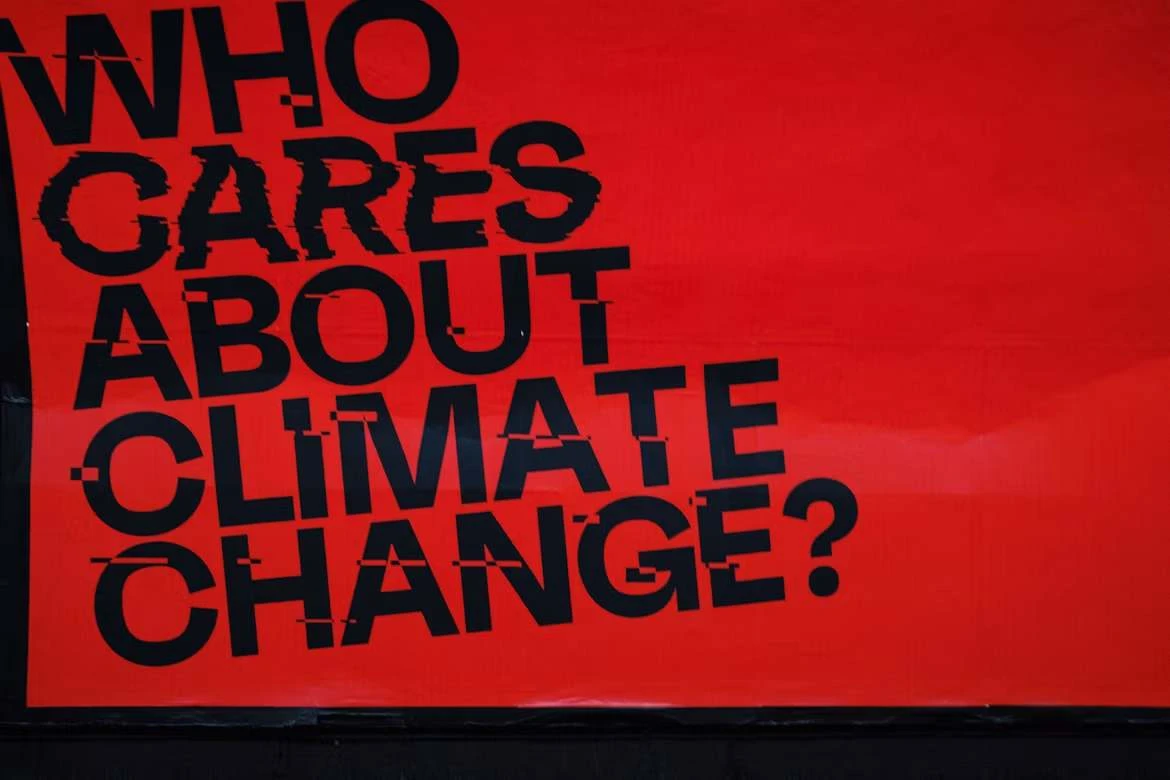
Climate change refers to long-term shifts in global or regional temperature and weather patterns. While the climate has varied naturally throughout Earth's history due to factors such as volcanic activity, solar cycles, and orbital changes, the term is now used primarily to describe the rapid warming trend observed since the mid-20th century, driven overwhelmingly by human activity.
The primary mechanism is the greenhouse effect: certain gases in the atmosphere — chiefly carbon dioxide (CO2), methane (CH4), and nitrous oxide (N2O) — trap heat radiating from Earth's surface, warming the planet. Since the Industrial Revolution, the burning of fossil fuels (coal, oil, and natural gas), large-scale deforestation, and industrial and agricultural processes have sharply increased the concentration of these gases in the atmosphere, intensifying the natural greenhouse effect beyond historical norms.
Scientists track climate change through multiple independent lines of evidence:
Climate change is already producing measurable effects around the world, including:
Scientific assessments, including those from the Intergovernmental Panel on Climate Change (IPCC), warn that the severity of these impacts increases substantially with each additional fraction of a degree of warming, and that some changes — such as ice sheet loss and species extinction — may be irreversible on human timescales.
In 2015, nearly every country in the world adopted the Paris Agreement, committing to limit global warming to well below 2°C above pre-industrial levels, with an aspiration to limit it to 1.5°C. Countries submit voluntary emissions-reduction pledges known as Nationally Determined Contributions (NDCs), which are reviewed and strengthened periodically.
Since 2015, annual UN climate conferences (known as COP, or Conference of the Parties) have brought together governments, scientists, and civil society to negotiate further action. Independent scientific assessments have repeatedly found that current pledges and policies remain insufficient to meet the Paris Agreement's temperature goals, prompting renewed calls for faster emissions cuts.
Responses to climate change generally fall into two categories:
Mitigation refers to efforts to reduce or prevent the emission of greenhouse gases, including:
Adaptation refers to adjusting human systems and infrastructure to cope with the effects of a changing climate, including:
Climate change is closely linked to broader environmental concerns, including biodiversity loss, pollution, and the depletion of natural resources. Conservation efforts — such as protected areas, sustainable resource management, and pollution controls — often address multiple environmental challenges simultaneously, since healthy ecosystems tend to be more resilient to climate impacts and better able to sequester carbon.
Climate scientists broadly agree that avoiding the most severe consequences of climate change requires substantial, sustained reductions in greenhouse gas emissions in the coming decades, alongside investment in adaptation measures for changes already underway. The pace and scale of this transition remain the subject of ongoing scientific assessment, political negotiation, and public debate.