•
•
•
•
•
•
•

The 2026 Asian Games are set to bring thousands of athletes from across Asia to Aichi-Nagoya, Japan, from September 19 to October 4. With 43 sports, new disciplines and a strong Indian contingent, the 20th edition promises a wide-ranging celebration of competition, culture and Asian sporting talent.
The Asian Games are more than a multi-sport competition. For decades, the event has provided Asian nations with a platform to compete against one another while bringing different sporting traditions and cultures together.
The 20th edition will take place in Aichi Prefecture and Nagoya, Japan, from September 19 to October 4, 2026. Organisers have planned competitions across a broad network of venues, with the official programme featuring 43 sports.
The event is expected to showcase established Olympic sports alongside disciplines that have strong regional followings and newer sports that reflect the changing sporting landscape.
The Aichi-Nagoya programme covers a wide range of disciplines.
Athletics, swimming, gymnastics, cycling, shooting, archery, boxing, judo, wrestling and taekwondo form part of the major Olympic-oriented sports programme. Team sports including football, hockey, basketball, volleyball, rugby sevens and handball will also feature.
The Games will also provide a major stage for sports closely associated with Asian sporting culture.
Kabaddi, wushu, sepak takraw and kurash are among the disciplines that give the Asian Games an identity distinct from the Olympics. Cricket will also be contested in the T20 format, while sports such as teqball, padel, surfing, skateboarding, sport climbing and esports add newer dimensions to the programme.
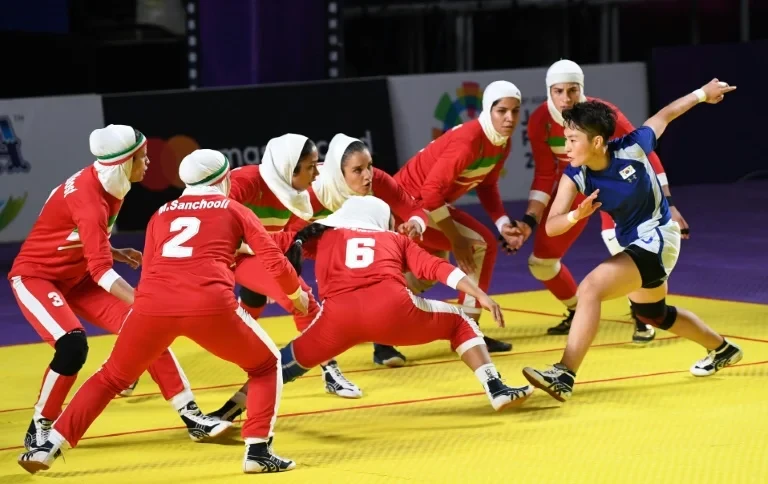
This combination of traditional, Olympic and emerging sports makes the Asian Games one of the most varied sporting events on the international calendar.
Aichi-Nagoya 2026 is also reflecting the changing interests of younger audiences.
The programme includes mixed martial arts, padel, teqball, BMX freestyle, surfing and esports, among other contemporary disciplines. The inclusion of newer sports gives athletes from different sporting backgrounds an opportunity to compete on a major continental stage.
Esports in particular represents the continuing expansion of competitive gaming within major sporting events. At the same time, traditional disciplines such as wushu and kabaddi remain an important part of the Games' Asian character.
India will be one of the major participating nations at Aichi-Nagoya. The Indian government announced a 503-member contingent for the Games, with athletes competing across numerous disciplines.
India's recent Asian Games campaign in Hangzhou produced a record 107 medals, making the 2026 edition another important test for the country's expanding sporting programme. Reuters reported that India enters Aichi-Nagoya seeking to build on that breakthrough performance.
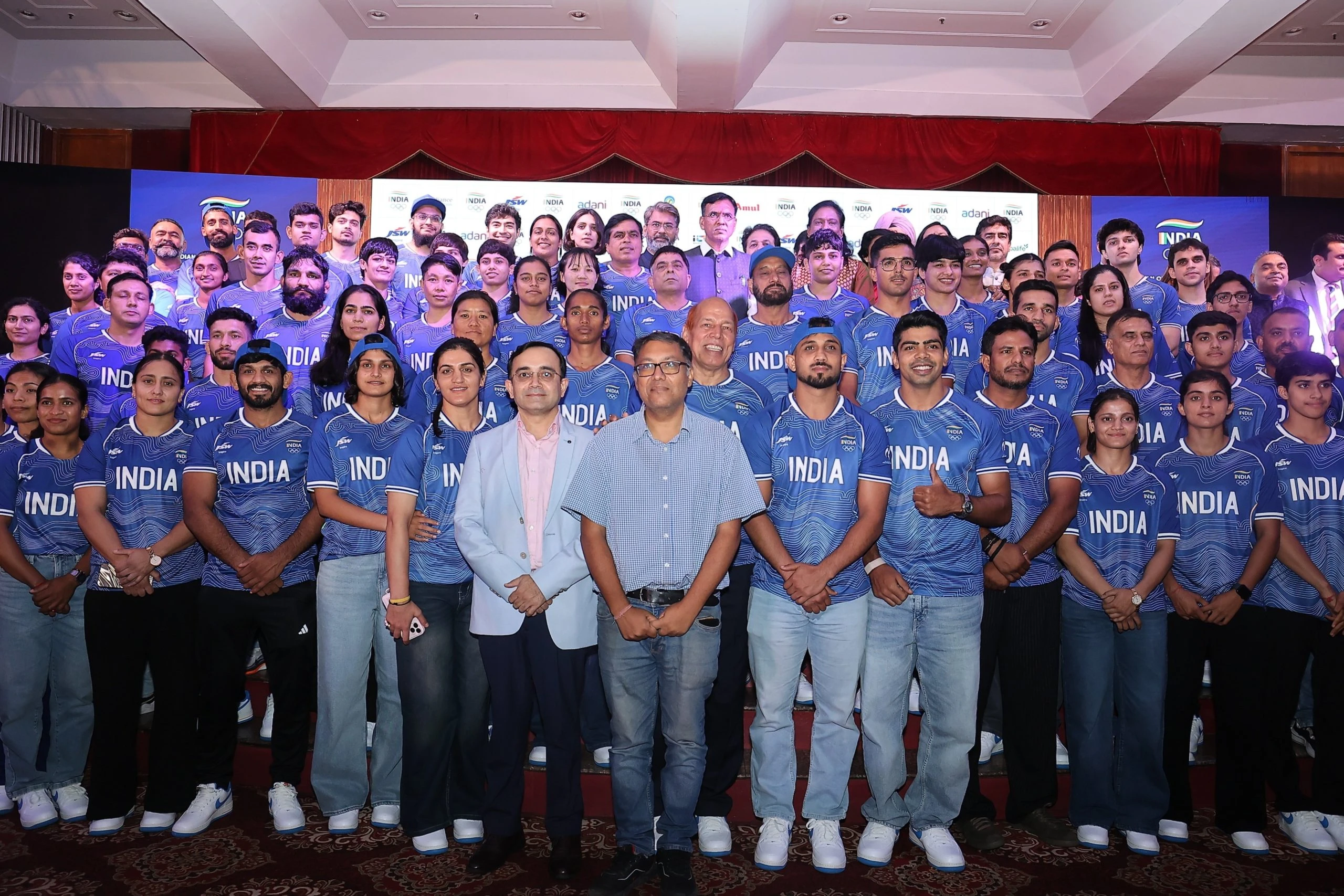
Several established Indian names will attract attention across different sports. PV Sindhu is set to feature in badminton, Mirabai Chanu in weightlifting and Manu Bhaker in shooting. Athletics, wrestling, archery, hockey, kabaddi and cricket will also be important areas for the Indian team.
However, India's squad will also have to deal with notable absences. Javelin thrower Neeraj Chopra, who helped India secure a historic 1-2 finish in the men's javelin at Hangzhou, is missing the 2026 Games because of injury.
One of the individual storylines attracting attention is Mirabai Chanu's attempt to win her first Asian Games medal.
The Olympic silver medallist has previously competed at the Asian Games but has yet to reach the podium. Her women's 49kg weightlifting competition will put her up against a strong international field, including North Korea's Ri Song-gum.
Her campaign illustrates the level of competition India will face even in events where it has established international credentials.
Every Asian Games edition develops its own visual identity, and Aichi-Nagoya 2026 has chosen HONOHON as its official mascot.
HONOHON combines the image of the fiery passion of athletes with the Shachihoko, a traditional guardian symbol associated with Aichi-Nagoya. The mascot's design also incorporates elements inspired by Japanese Kabuki theatre.
.webp96eb8d6c-06d4-4499-979e-65536ab9ff41.webp)
The official Games slogan is “IMAGINE ONE ASIA – Become One Here,” reflecting the organisers' emphasis on bringing people together through sport.
While medal tables and sporting rivalries will dominate headlines, the Asian Games also serve a wider purpose.
Athletes from different countries live, train and compete alongside one another, creating opportunities for cultural exchange that extend beyond individual events. For host communities, the Games provide an opportunity to showcase local culture, infrastructure and hospitality to visitors from across the continent.
Aichi-Nagoya is also using existing sporting infrastructure across the region. The official competition plan covers venues in Nagoya and other locations in Aichi and surrounding areas, with the programme designed around a large network of facilities rather than a single Olympic-style complex.
When competition officially begins on September 19, attention will turn from preparations to performances.
For established champions, the Games represent another opportunity to add to their international records. For younger athletes, they offer a chance to announce themselves on a major continental stage.
From athletics and badminton to cricket, shooting, kabaddi and esports, Aichi-Nagoya 2026 will bring together a remarkable variety of sporting traditions.
Over two weeks, the Asian Games will once again place the spotlight on Asia's athletes — not only through medals and records, but through the shared experience of competing on one of the continent's biggest sporting stages.