•
•
•
•
•
•
•

A new genomic study traces how a South Asian malaria mosquito reached Africa already resistant to insecticides. Here is why urban malaria is a growing concern.
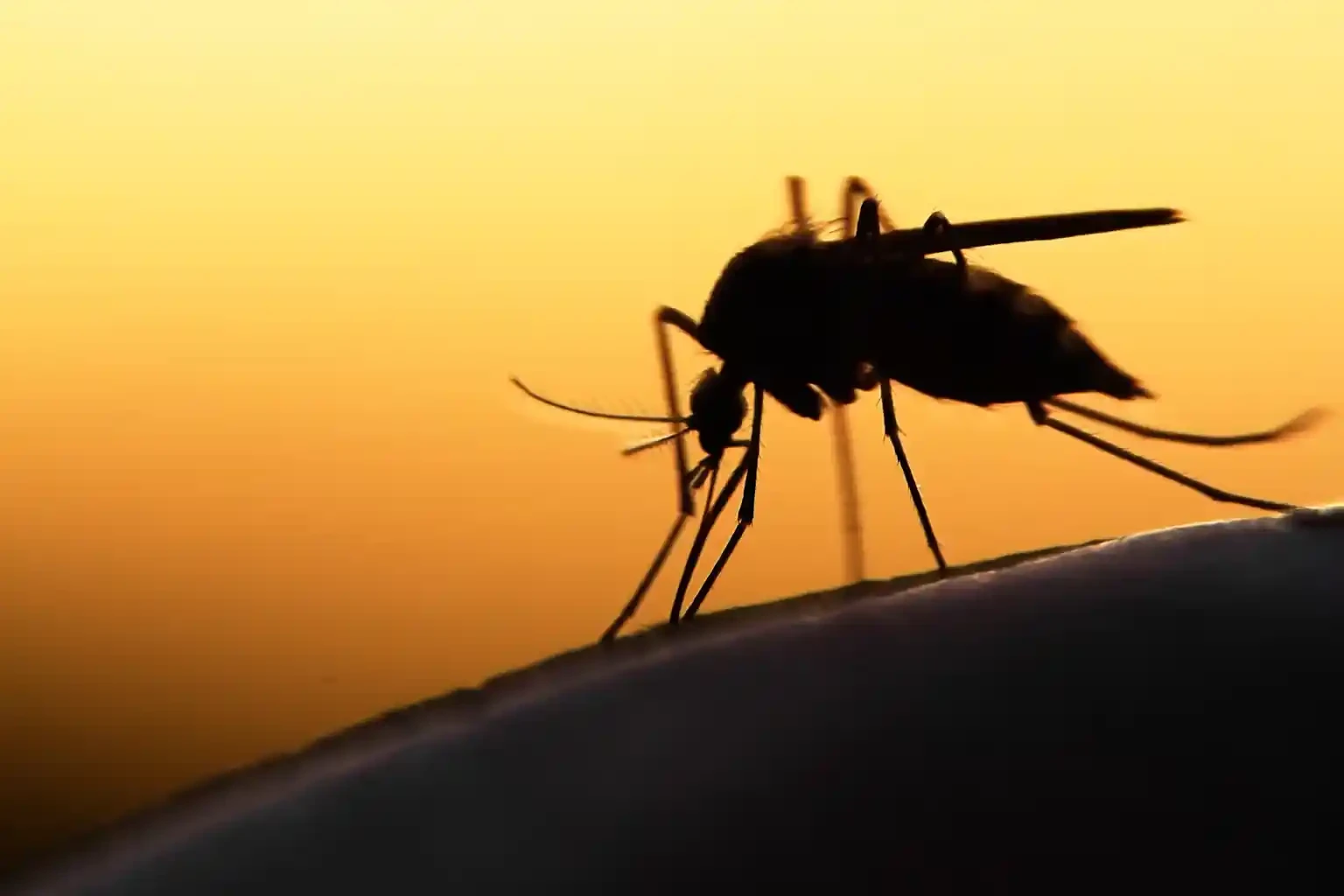
For decades, malaria in Africa has largely been a rural disease, spread by mosquitoes that breed in natural pools and wetlands. A newcomer is changing that picture.
Anopheles stephensi — a malaria-carrying mosquito long familiar in South Asian cities — has become established in parts of the Horn of Africa. A genomic study published in Science in June 2026, led by the Liverpool School of Tropical Medicine (LSTM), has now traced where it came from and why it is so hard to control.
In India, An. stephensi has long been recognised as a key urban malaria vector.
According to the LSTM study:
Trade routes and shipping are thought to have played an important role in its movement.
The study found widespread resistance driven by detoxification enzymes across invasive populations. Crucially, this resistance originated in Asia — meaning the mosquito arrived in Africa already equipped to survive common insecticides used in bed nets and indoor spraying.
This matters because insecticide-treated nets and indoor residual spraying have been the backbone of malaria control in Africa.
Africa is urbanising rapidly. Traditional malaria control has focused on rural areas, and many urban populations have lower immunity. An efficient city-dwelling vector could:
The World Health Organization launched an initiative in 2022 to stop the spread of An. stephensi in Africa, calling for stronger surveillance and coordinated action.
Indian cities have decades of experience controlling urban malaria through building bylaws on water storage, anti-larval measures and municipal surveillance. These approaches are directly relevant to African cities facing the same mosquito.
Yes. It is native to South Asia and is a well-known urban malaria vector in India.
It thrives in cities, breeds in man-made water containers and carries resistance to commonly used insecticides.
Yes, nets remain important, but resistance reduces their effectiveness, so they must be combined with other methods.
Cover water storage containers, remove standing water and follow local public health guidance.
Anopheles stephensi shows how global trade, urbanisation and evolution can combine to create new health threats. Tracking and controlling it now could prevent malaria from gaining a strong foothold in Africa's fast-growing cities.
Sources: Liverpool School of Tropical Medicine; Science (June 2026); World Health Organization.