•
•
•
•
•
•
•

A 2026 global study finds classroom AI adoption is surging toward a $41B market — but teacher training and regional attitudes are struggling to keep pace
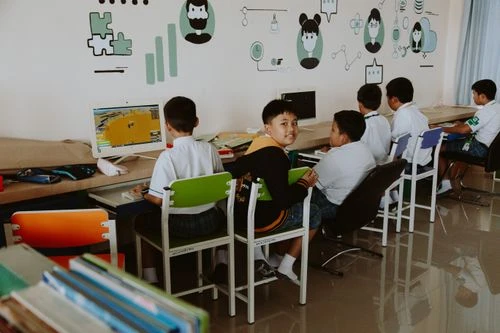
Artificial intelligence has moved from a novelty in classrooms to what researchers now describe as core infrastructure in education. A comprehensive 2026 study on global AI adoption in schools and universities paints a picture of an education sector transforming faster than institutions can adapt to it — with real learning gains, real cultural divides, and a widening gap between how students and teachers use these tools.
The global market for AI in education is undergoing rapid expansion. Investment is projected to grow roughly sixfold over five years, rising from about $6.9 billion in 2025 to more than $41 billion by 2030. This growth reflects a shift: AI tools are no longer optional add-ons but are increasingly treated as standard classroom infrastructure, comparable to how institutions once adopted computers or internet access.
Student-driven adoption is outpacing what many educators are prepared for. Roughly two-thirds of students report using AI tools such as ChatGPT for schoolwork. The most common uses include:
This pattern suggests students increasingly treat AI as a round-the-clock personalized academic assistant rather than simply a shortcut for finding answers.
Despite widespread use, a significant gap exists between adoption and preparedness:
| Group | AI Usage Rate | Training Status |
|---|---|---|
| K-12 teachers | ~83% use generative AI tools | Mostly self-taught via trial and error |
| Higher education faculty | ~22% use AI regularly | Institutional resistance reported |
| Students | ~66% use AI for schoolwork | Adoption outpacing teacher comfort |
Researchers describe this imbalance as a "71% training gap" — the difference between how many teachers use AI tools and how many have received formal instruction in using them effectively. Because most K-12 teachers learn AI tools informally, many educators may be missing features or misapplying tools in ways that don't serve learning outcomes.
Attitudes toward AI in education vary sharply by region. In China, about 83% of respondents view AI as an overwhelmingly positive force in education; in Indonesia, that figure is around 80%. By contrast, positive sentiment drops to roughly 39% in the United States and 36% in the Netherlands.
Researchers link this divide to differing framings of what AI represents:
Despite these differences, most students see real value: about two-thirds consider AI essential to their academic work, while roughly a quarter express concerns about the ethics of its use.
The research highlights that AI's classroom impact is genuinely mixed rather than uniformly positive or negative:
Reported benefits:
Reported concerns:
Looking ahead, researchers anticipate several developments becoming standard rather than experimental:
The central challenge identified across the research is not whether AI belongs in classrooms — adoption figures suggest that debate is largely settled — but whether institutions can close the training gap quickly enough to ensure AI becomes a tool that supports equitable learning rather than a new source of digital divide. Education leaders are being urged to prioritize structured teacher training and clearer institutional guidance as adoption continues to accelerate through the rest of 2026 and beyond.
This article is for informational purposes and summarizes findings from third-party research. It does not constitute institutional or pedagogical guidance; schools and districts should evaluate AI tools according to their own policies and needs.