•
•
•
•
•
•
•

Twenty-nine years after her death, Princess Diana remains one of the most remembered figures of the modern royal era. From her childhood and fairytale wedding to King Charles III, motherhood, divorce, humanitarian campaigns and her tragic death in Paris, Diana's life continues to be remembered for the way she brought royal attention to people often overlooked by society.
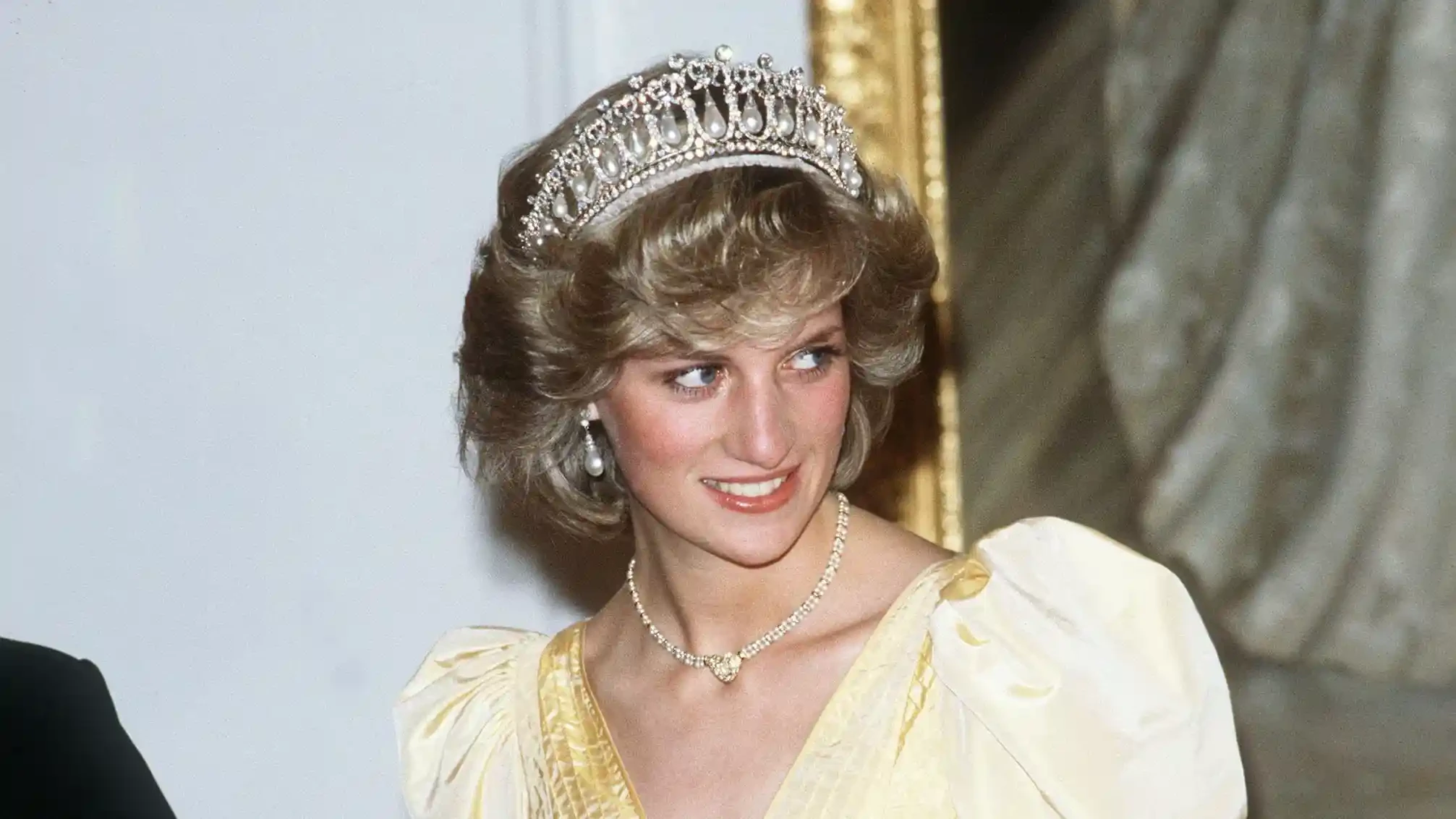
There are some public figures whose names remain attached to a particular era.
And then there are people whose names continue to appear in conversations decades after their death.
Princess Diana belongs to the second category.
She died on August 31, 1997, in Paris, at only 36 years old. Yet 29 years later, her name still appears on ordinary days — in conversations about the British monarchy, fashion, motherhood, charity, humanitarian campaigns, media pressure and the complicated relationship between public figures and the public that follows them.
Her story was extraordinary, but it was also deeply human.
Before she became Princess of Wales, Diana was a young woman from the Spencer family who had grown up around Britain's aristocratic world without knowing that her life would eventually become the subject of worldwide fascination.
Diana Frances Spencer was born on July 1, 1961, at Park House near Sandringham in Norfolk.
She was the daughter of John Spencer, Viscount Althorp, and Frances Spencer. She had two older sisters, Sarah and Jane, and a younger brother, Charles.
Her parents separated when Diana was still a child, and their marriage was dissolved in 1969. Diana and her siblings continued living with their father before the family later moved to Althorp, the Spencer family's ancestral home.
Her childhood was therefore shaped by both privilege and family upheaval.
Diana attended Riddlesworth Hall and later West Heath School in Kent. She was remembered at school for her interest in music, dancing and domestic science, and for receiving an award recognising her helpfulness towards other pupils. She later attended a finishing school in Switzerland before moving to London.
Unlike many members of Britain's aristocracy, Diana did not initially have a highly public career.
She worked as a nanny and then as a kindergarten teacher at the Young England School in Pimlico.
It was a relatively ordinary beginning for someone who would soon become one of the most photographed women in the world.
Diana's life changed dramatically when her relationship with Charles, the heir to the British throne, became public.
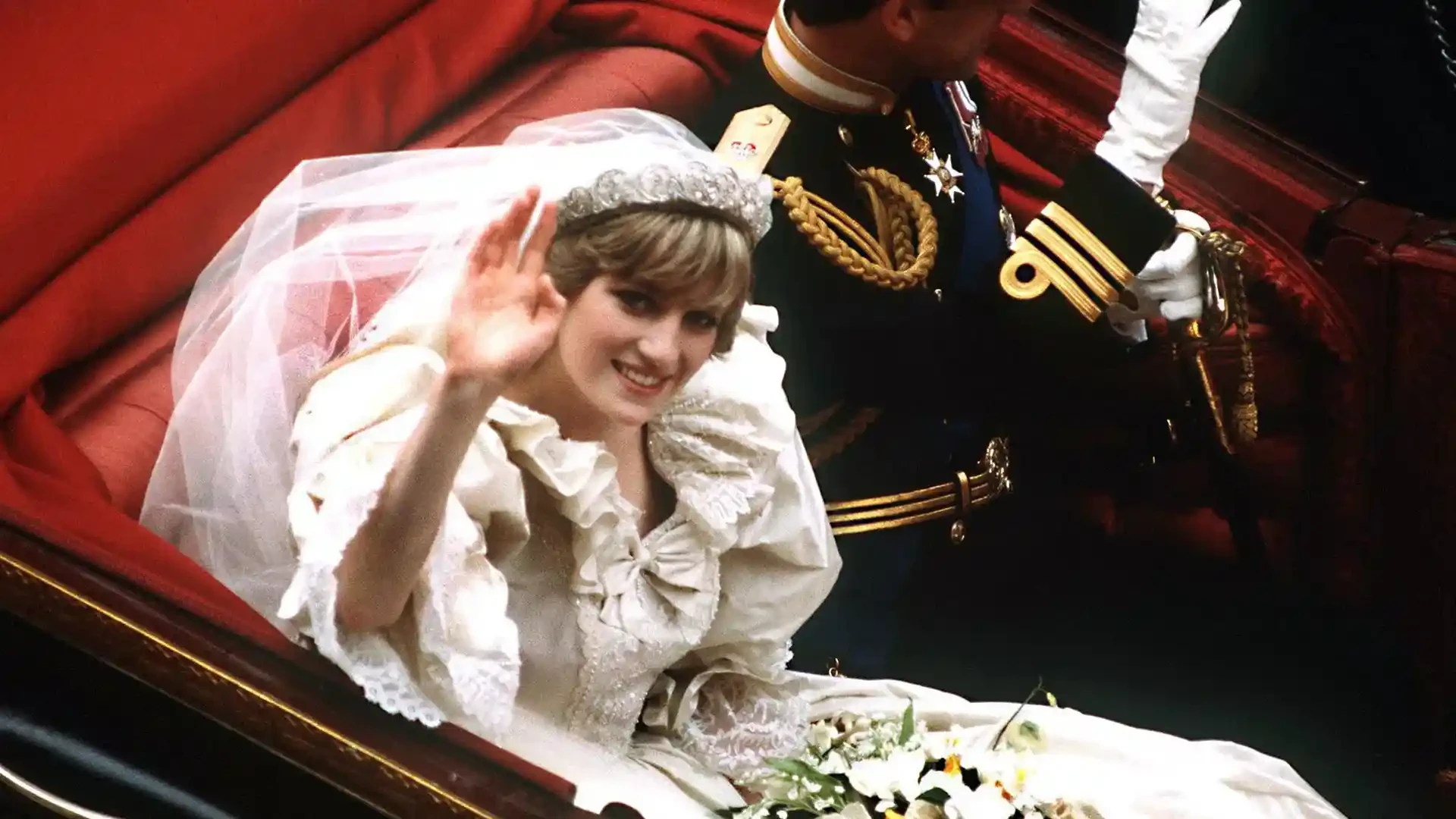
On July 29, 1981, Diana married Charles at St Paul's Cathedral in London.
The wedding was watched by millions around the world and quickly became associated with the idea of a modern royal fairytale.
She was only 20.
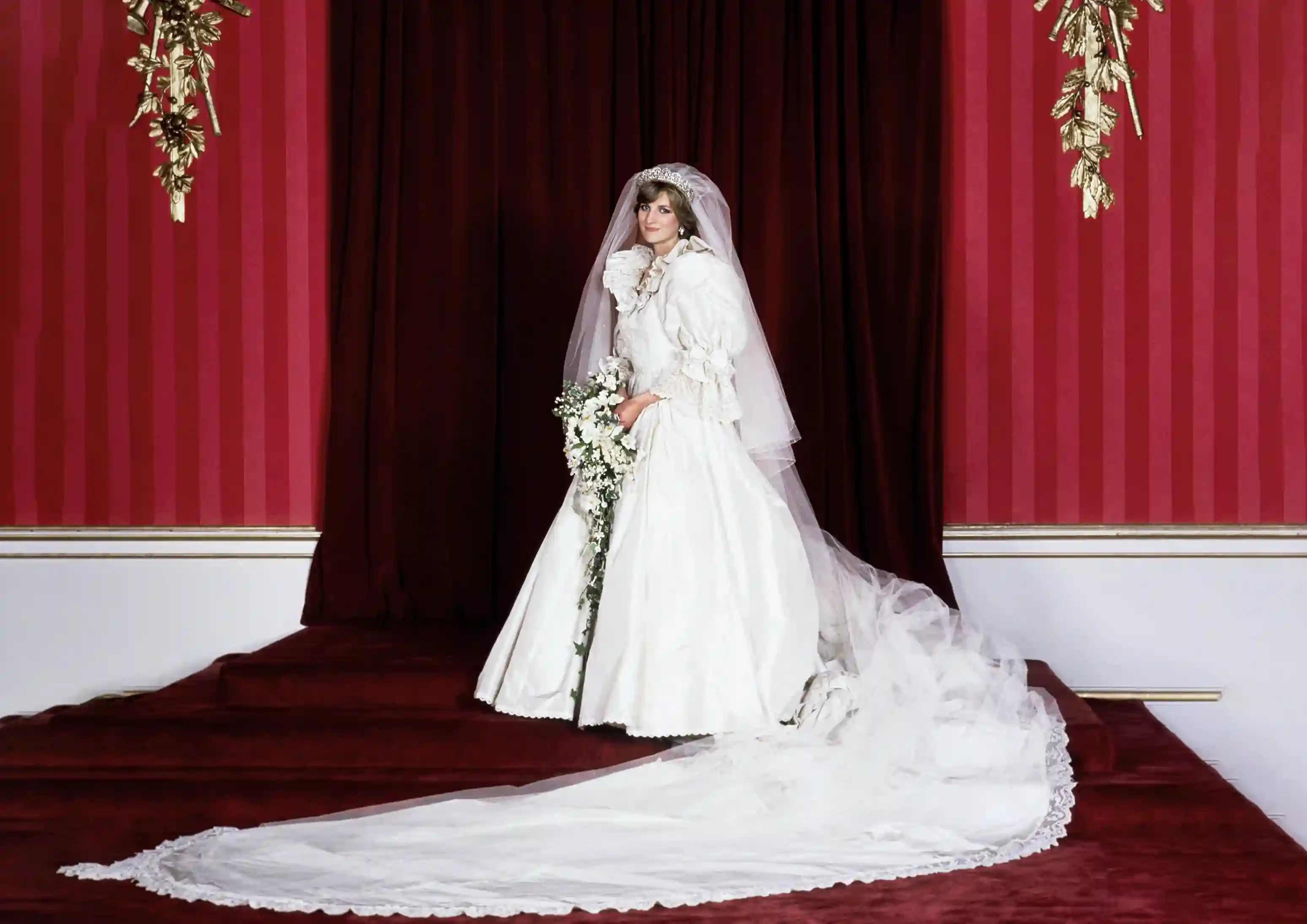
The young bride's appearance, fashion and public presence immediately attracted enormous international attention. But Diana's importance within the monarchy would eventually extend well beyond her clothes and celebrity.
She became a working member of the Royal Family and undertook an expanding programme of public engagements.
Her official responsibilities took her to numerous countries, including Australia, New Zealand, Canada, India, the United States and Japan.
But perhaps the most important role she would take on was that of a mother.
Diana and Charles had two sons.
Prince William was born in 1982, followed by Prince Harry in 1984.
Diana was determined to give her children experiences outside the traditional royal bubble. Her approach to motherhood became an important part of her public image.
The boys were frequently seen accompanying their mother, and Diana sought to expose them to people and places far removed from palace life.
Her relationship with William and Harry would become even more significant after her marriage to Charles ended.
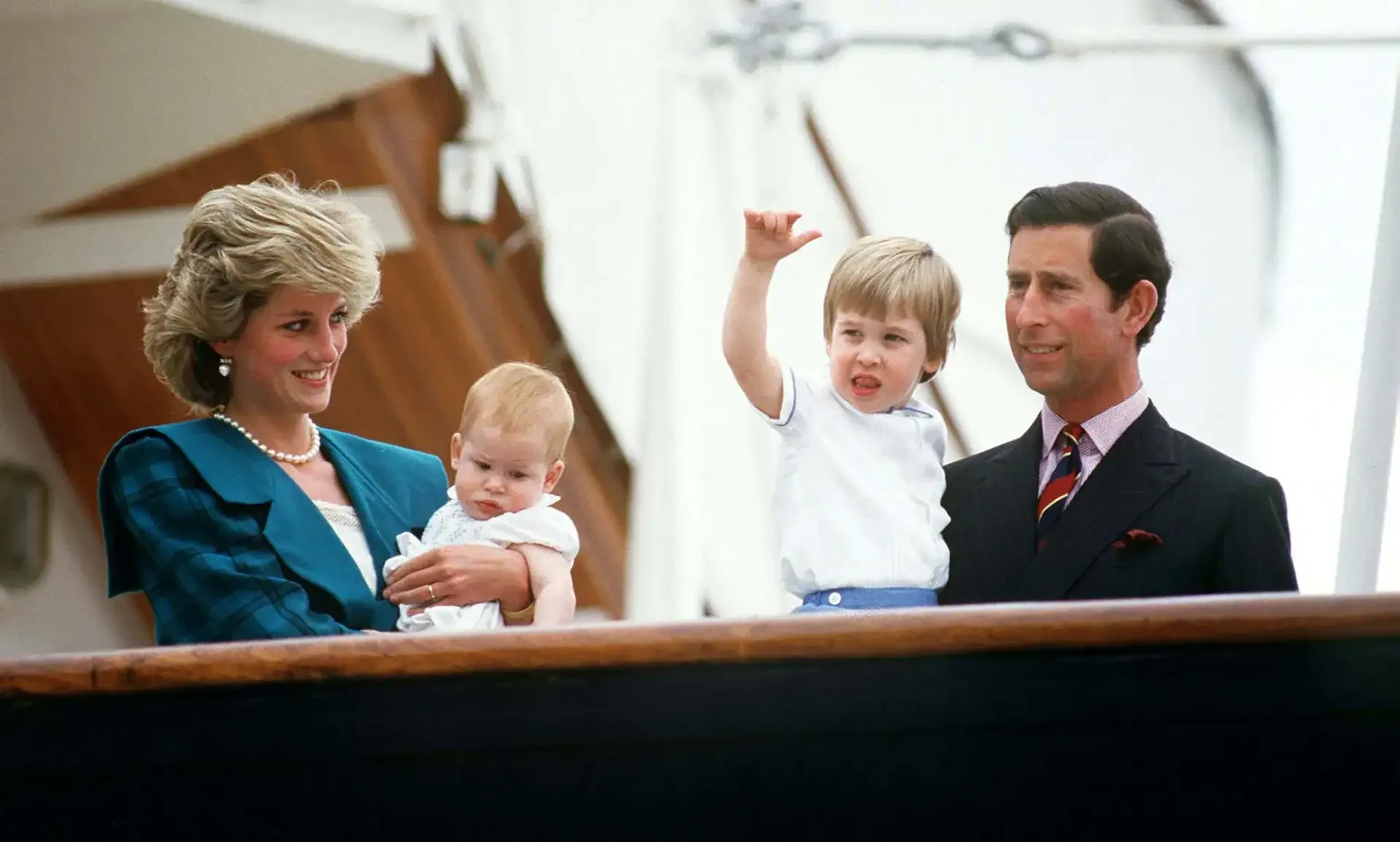
For the public, Diana increasingly appeared not simply as a princess, but as a mother trying to protect her children while living under extraordinary media attention.
Behind the enormous public interest surrounding the couple, the marriage became increasingly troubled.
Charles and Diana separated in 1992.
Their private difficulties became the subject of intense media coverage, with their personal lives regularly occupying newspaper front pages and television programmes.
The separation did not immediately end Diana's public role. She continued undertaking charitable and public work, but her relationship with the institution of the monarchy was changing.
In 1996, Charles and Diana officially divorced.
The end of the marriage did not end Diana's public influence.
In many respects, the years that followed became some of the most significant of her life.
After the divorce, Diana no longer had the same extensive royal schedule or the full collection of patronages she had held during her marriage.
She retained several important charitable associations, including work with Centrepoint, the National AIDS Trust, the Leprosy Mission, the English National Ballet, Great Ormond Street Hospital and the Royal Marsden Hospital.
Her public work increasingly centred on subjects that could be uncomfortable, misunderstood or ignored.
She visited hospitals.
She met people living with HIV/AIDS at a time when fear and misinformation surrounding the disease were widespread.
She supported homeless people and children.
She drew attention to disability.
And she increasingly used her visibility to bring difficult humanitarian issues into mainstream conversation.
That became one of the defining features of Diana's later life.
One of Diana's most remembered humanitarian moments involved her work with people living with HIV/AIDS.
During the 1980s, HIV/AIDS carried enormous stigma. Public understanding of the disease was limited, and people living with HIV could face fear, isolation and discrimination.
Diana's willingness to meet patients publicly helped challenge some of those attitudes.
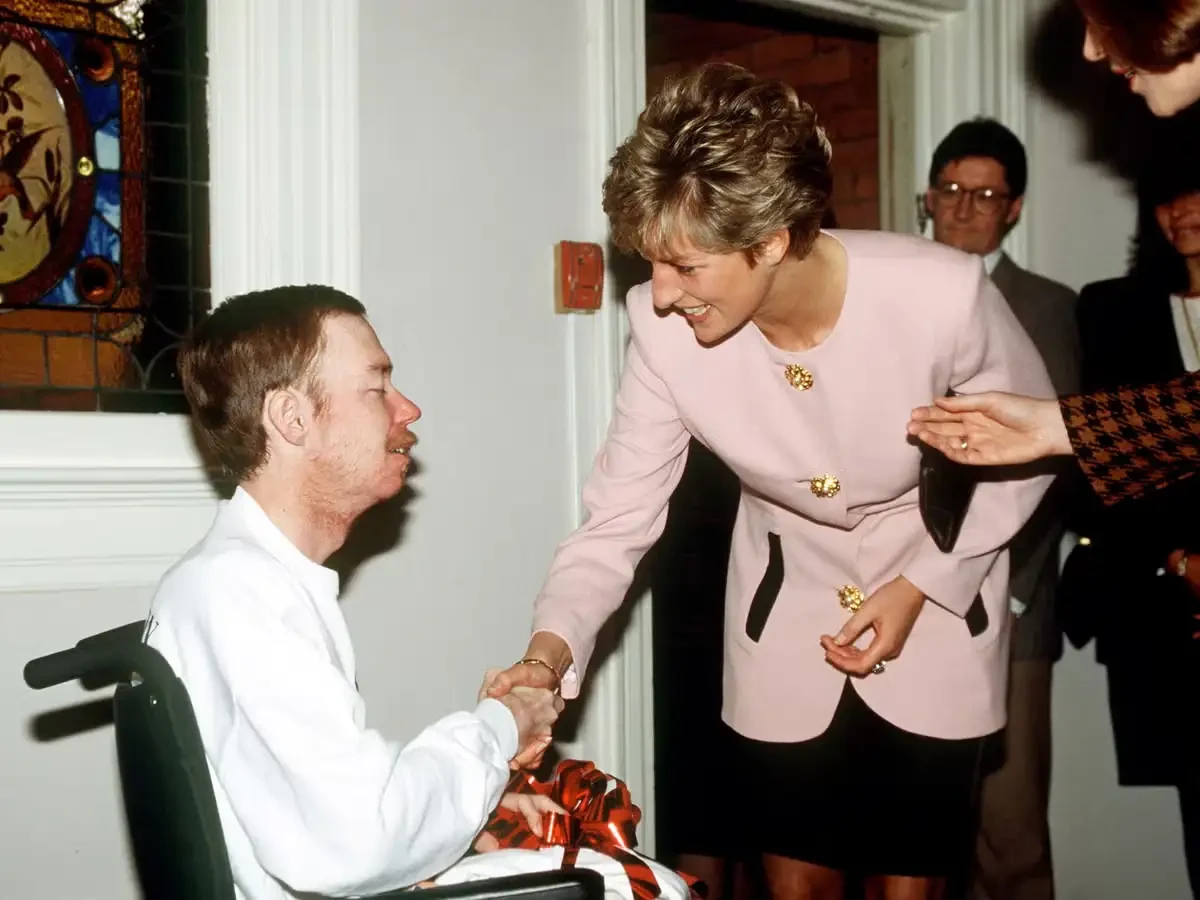
Her approach was simple but powerful: she interacted with people rather than treating them as something to be feared.
That became characteristic of her humanitarian style.
She often placed herself physically close to people she was visiting, rather than maintaining the distance traditionally associated with royalty.
Her public presence gave charities and causes an enormous amount of media attention.
By the time of her death, she had been president or patron of more than 100 charities during different stages of her public life.
After her divorce, Diana's work became more focused.
She reduced the number of organisations she supported, retaining patronages that were particularly important to her.
But it was her campaign against landmines that became one of her most internationally recognised humanitarian efforts.
In January 1997, Diana travelled to Angola, where she visited areas affected by landmines and met people whose lives had been changed by them.
The images of Diana walking through a minefield protection area became globally recognised.
She subsequently continued campaigning on the issue, including appearances in London and Washington.
In August 1997, only weeks before her death, she travelled to Bosnia and visited landmine-related projects.
Her campaign brought extraordinary public attention to the humanitarian consequences of landmines and became one of the most enduring parts of her later public legacy.
Diana's relationship with the media was complicated.
The same newspapers, photographers and television networks that helped make her globally famous also pursued her intensely.
She became one of the most photographed people on Earth.
Her clothing, friendships, relationships, family life and movements could become international news.
The attention became particularly intense following her divorce.
The pressure surrounding Diana's private life was part of the broader environment surrounding her final years.
On the night of August 31, 1997, Diana was travelling through Paris with Dodi al-Fayed when the Mercedes carrying them crashed in the Pont de l'Alma tunnel while being pursued by paparazzi photographers.
Diana was taken to hospital but died from her injuries. She was 36.
Dodi al-Fayed and the driver, Henri Paul, also died in the crash.
The death stunned Britain and the world.
Diana's funeral took place at Westminster Abbey on September 6, 1997.
Her sons, William and Harry, walked behind her coffin alongside members of the Royal Family and Diana's brother Charles Spencer.
The public response was extraordinary.
Millions gathered along the route, while millions more watched the funeral on television.
Representatives from charities Diana had supported were also included in the funeral procession, reflecting the importance of humanitarian work in the public memory of her life.
The woman who had spent years under the glare of the cameras had suddenly become an absence.
And that absence became part of her legacy.
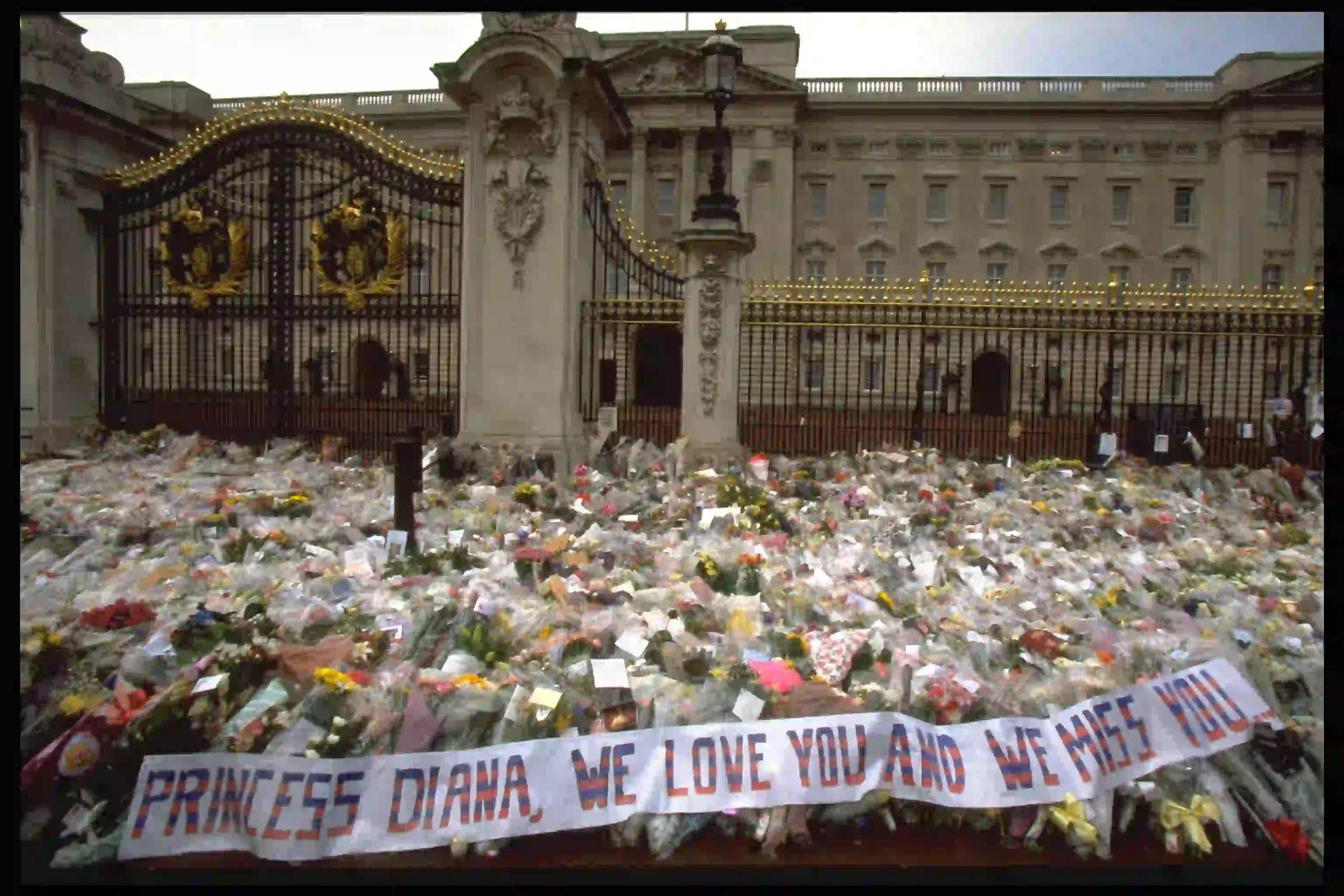
Nearly three decades after Diana's death, a new controversy has brought her name back into the headlines.
According to reports about Charles Spencer's forthcoming memoir, Swan Song: Diana, My Sister, Diana's brother alleges that the then-Prince Charles told him after Diana's death: “Rest assured, we'll forget her soon enough.”
The reported remark allegedly arose during a disagreement about whether William and Harry should walk behind their mother's coffin during her funeral.
It is important to distinguish the allegation from an established historical fact: the statement comes from Spencer's account, rather than from a confirmed transcript or a book written by King Charles.
King Charles has now responded through a palace spokesperson. The statement did not directly confirm the reported words. Instead, it said that the King was mindful that grief can affect reason, judgment and memory.
The development has once again placed an old question in the spotlight:
Can someone who died almost three decades ago really be forgotten?
The continuing public interest in Diana suggests that the answer is more complicated than a simple yes or no.
Diana's lasting presence cannot be explained simply by her royal title.
She became famous because she married the future king.
But she remained famous because people connected with the way she used that position.
She walked into hospitals. She embraced people who were often avoided. She spoke publicly about causes that had previously received limited attention. She showed vulnerability at a time when royal public life was traditionally associated with restraint.
And she became a symbol of a changing relationship between royalty, celebrity and society.
Her life also contained contradictions.
She was enormously privileged, yet experienced intense personal scrutiny.
She was one of the world's most recognisable women, yet much of her private life remained deeply contested and misunderstood.
She was part of the British monarchy, yet eventually developed a public identity that existed somewhat independently from it.
That complexity is part of why conversations about Diana continue.
On August 31, 2026, it will be 29 years since Diana died.
There will be no new speeches from her.
No new charity visits. No new photographs. No new interviews.
Yet her name continues to return.
Sometimes it happens on an anniversary. Sometimes through a documentary, a photograph or an old interview. Sometimes through a discussion about William and Harry. Sometimes through a conversation about the monarchy.
And now, almost 29 years after her death, it has returned through a claim about what was allegedly said in the immediate aftermath of her death.
Perhaps Diana's greatest legacy is not that she remained famous.
It is that the causes she brought attention to remain part of conversations about society.
Homelessness. Children's welfare. HIV/AIDS. Disability. Humanitarian crises. Landmines.
And the responsibilities that come with extraordinary public visibility.
Diana once occupied a position that few people could ever experience.
But the reasons people remember her are surprisingly ordinary: compassion, vulnerability, family, tragedy and the desire to make a difference.
That may be why Princess Diana still appears in our collective memory on seemingly random days.
Twenty-nine years after her death, the world has changed enormously.
The monarchy has changed. Her sons have grown into adults. Britain has moved through generations.
But Diana's story remains.
Not simply because she was a princess. But because, for millions of people, she became something more personal — a woman whose life seemed close enough to understand, yet extraordinary enough never to forget.